Meat, Fish &
Aubergine Caviar
















Book "Meat, Fish &
Aubergine Caviar" by Overlapse, UK
Favourite book of 2023 by Lensculture & Photo-eye
Order your copy here



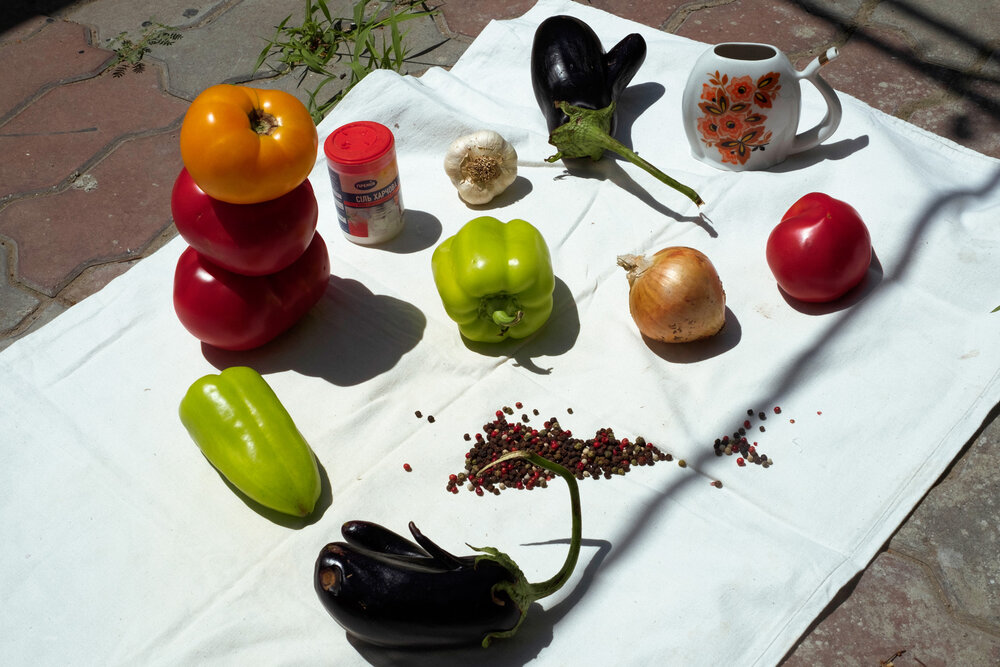
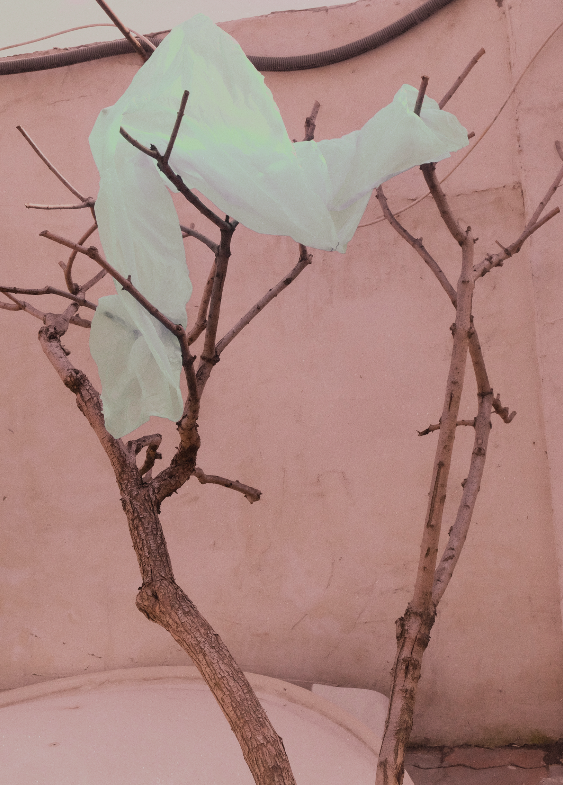
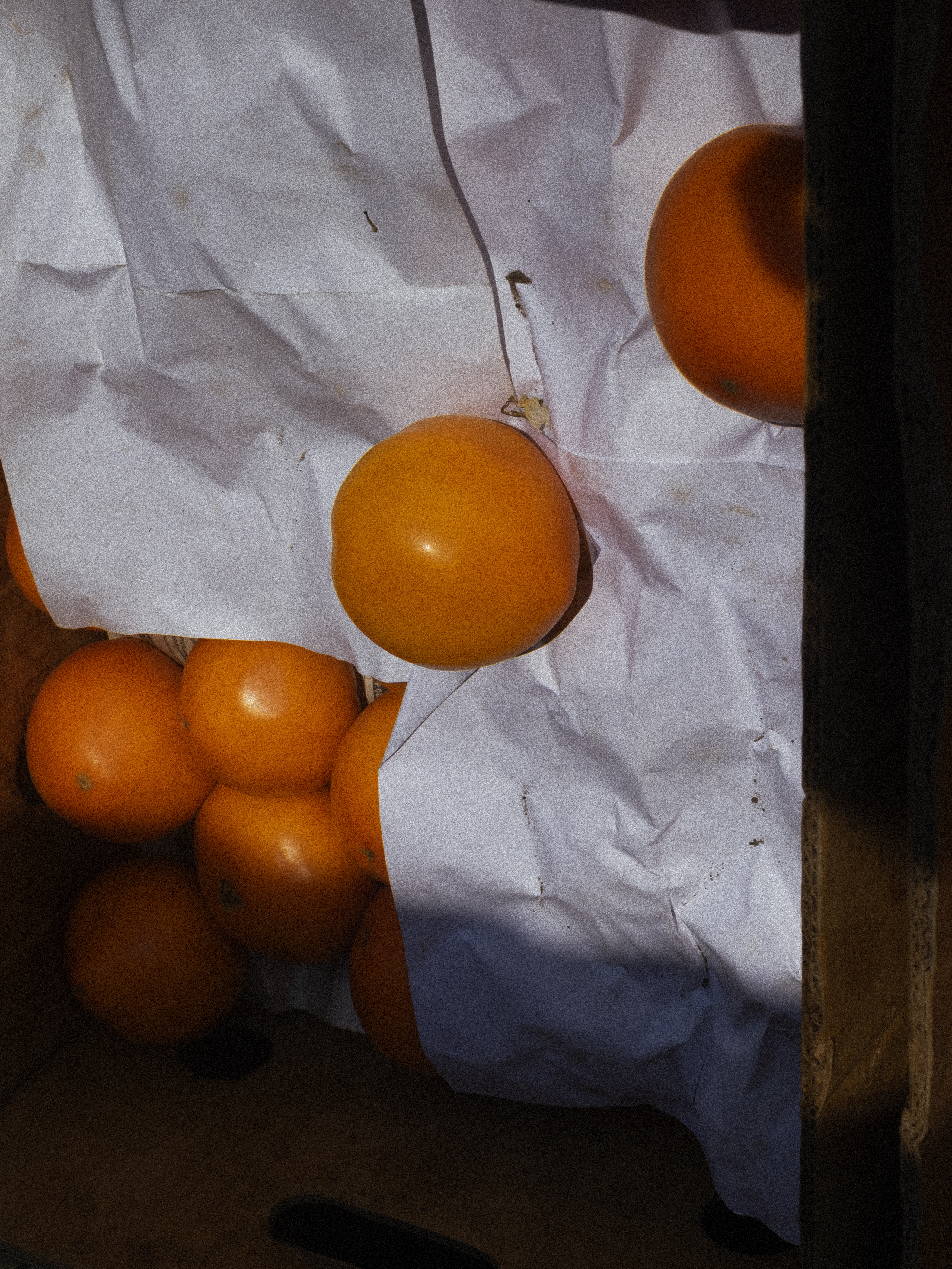
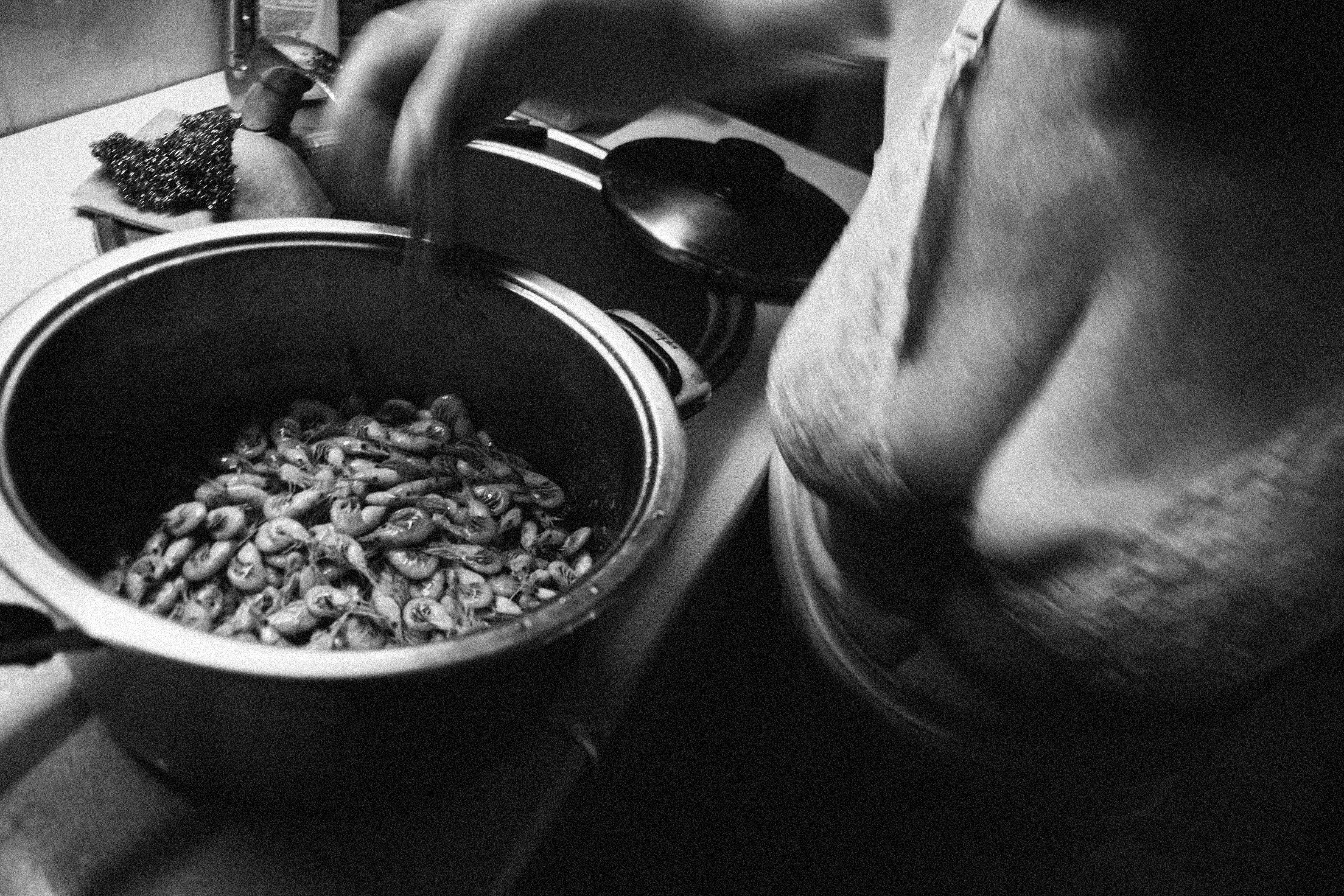
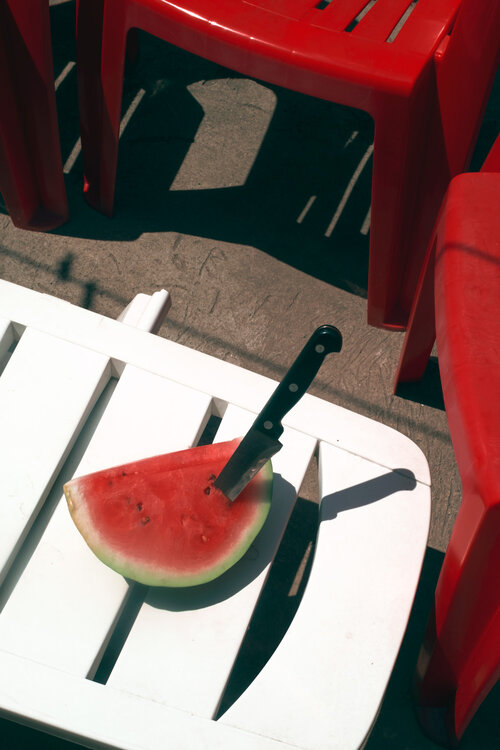
This project highlights the richness of Ukrainian culture and traditions, as seen in the vibrant still lifes of colourful vegetables. I also emphasise the importance of preparing and sharing a meal and show the deep-rooted traditions of Ukrainian cuisine. This serves as a reminder of the value of family and community, tying together the cultural heritage that shapes us.
(2016-2019) Odesa, Ukraine
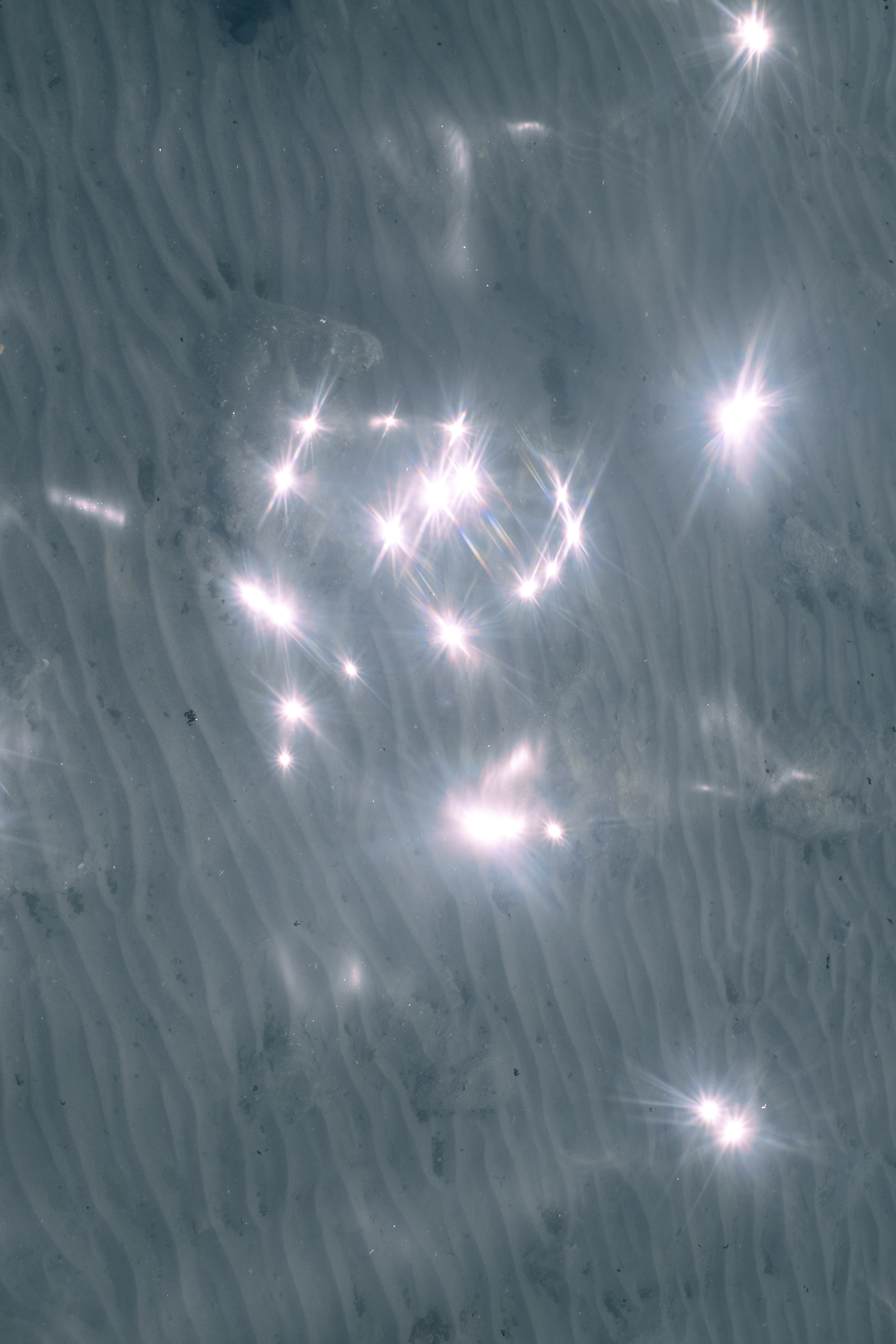
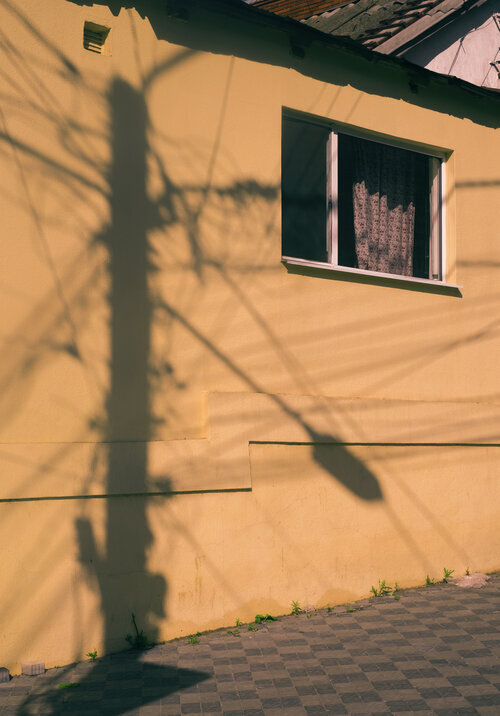
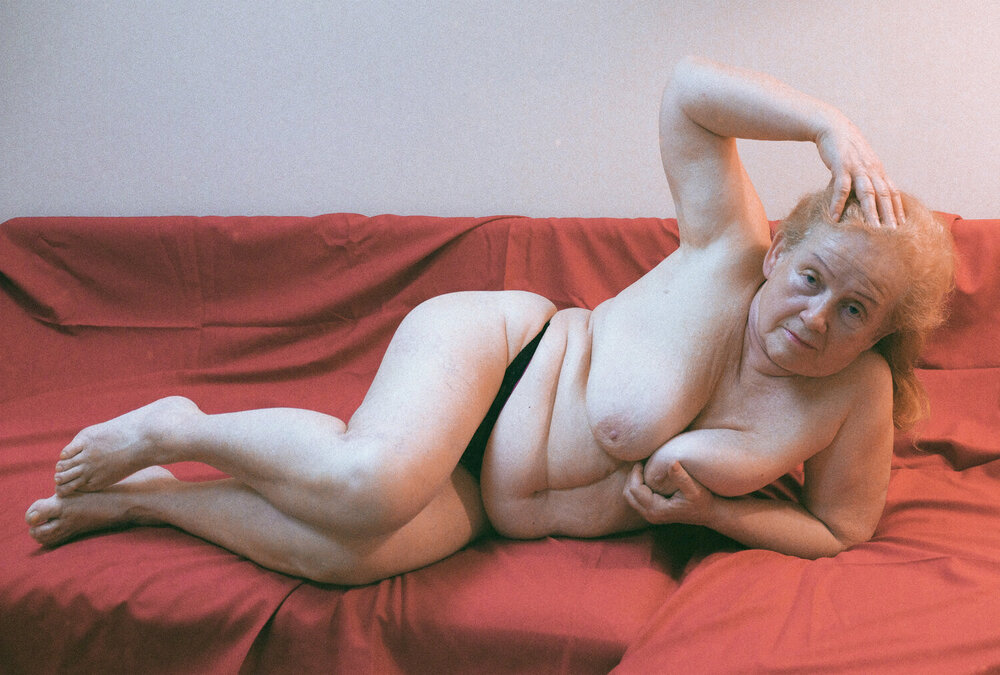
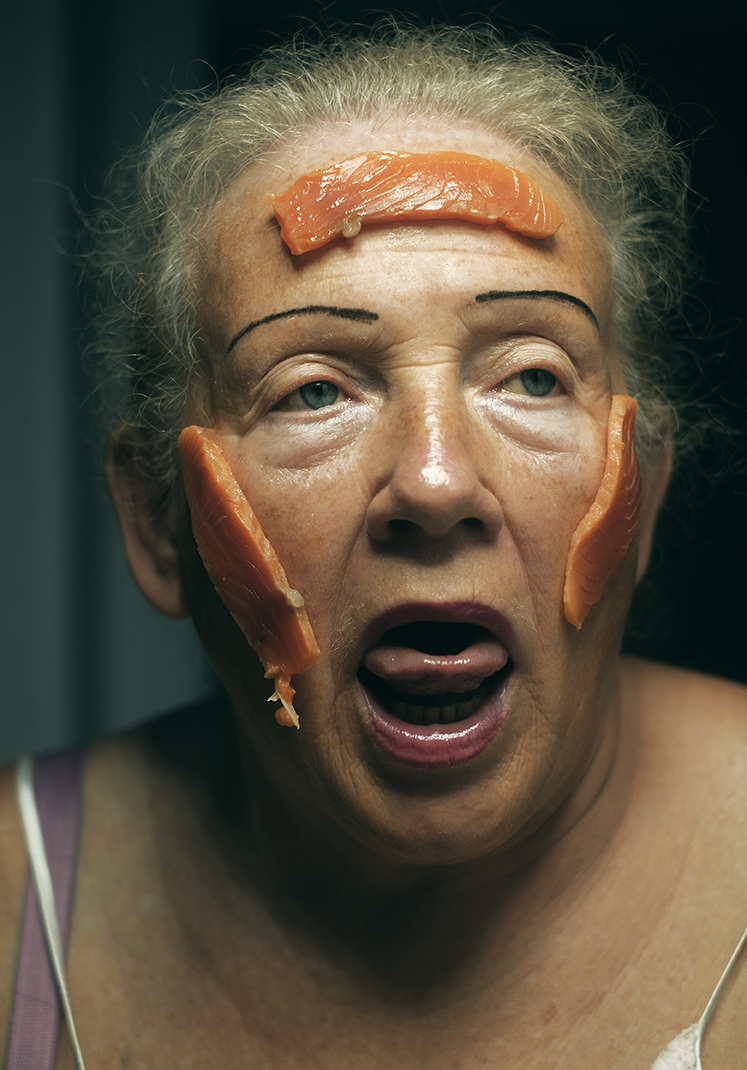
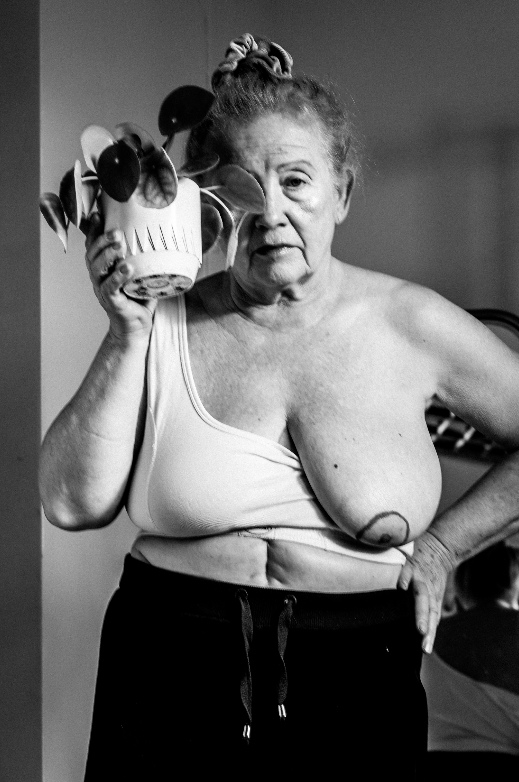
Meat, Fish and Aubergine Caviar is a project about my parents’ life in Odesa, Ukraine, a city on the Black Sea coast that has traditionally had everything in abundance: fish, sun, exposed flesh, and of course… delicious aubergine caviar. It is a city where the real overlaps with the surreal, and where everyone seems born to shine, either in the bright rays of its beautiful sandy beaches or under the charming street lamps of Prymorsky Boulevard, right where you can find the famous Sergei Eisenstein staircase from his 1925 silent film Battleship Potemkin. It is a city where you stroll leisurely along the shore in your white trousers because “it’s almost Rio de Janeiro,” as claimed by the protagonist of The Twelve Chairs (1928), the classic satirical novel by Odesan authors Ilf and Petrov.
However, my life in Odesa was far from a bed of roses. Since childhood, I had always wanted to escape. Both of my parents were depressed, emotionally immature, and physically absent. My father, a confused orphan struggling with his sexuality, drowned his sorrows in liquor, while my narcissistic mother was entirely consumed by her own traumas, which made her unable to feel any genuine emotion and left her distant and unreachable.
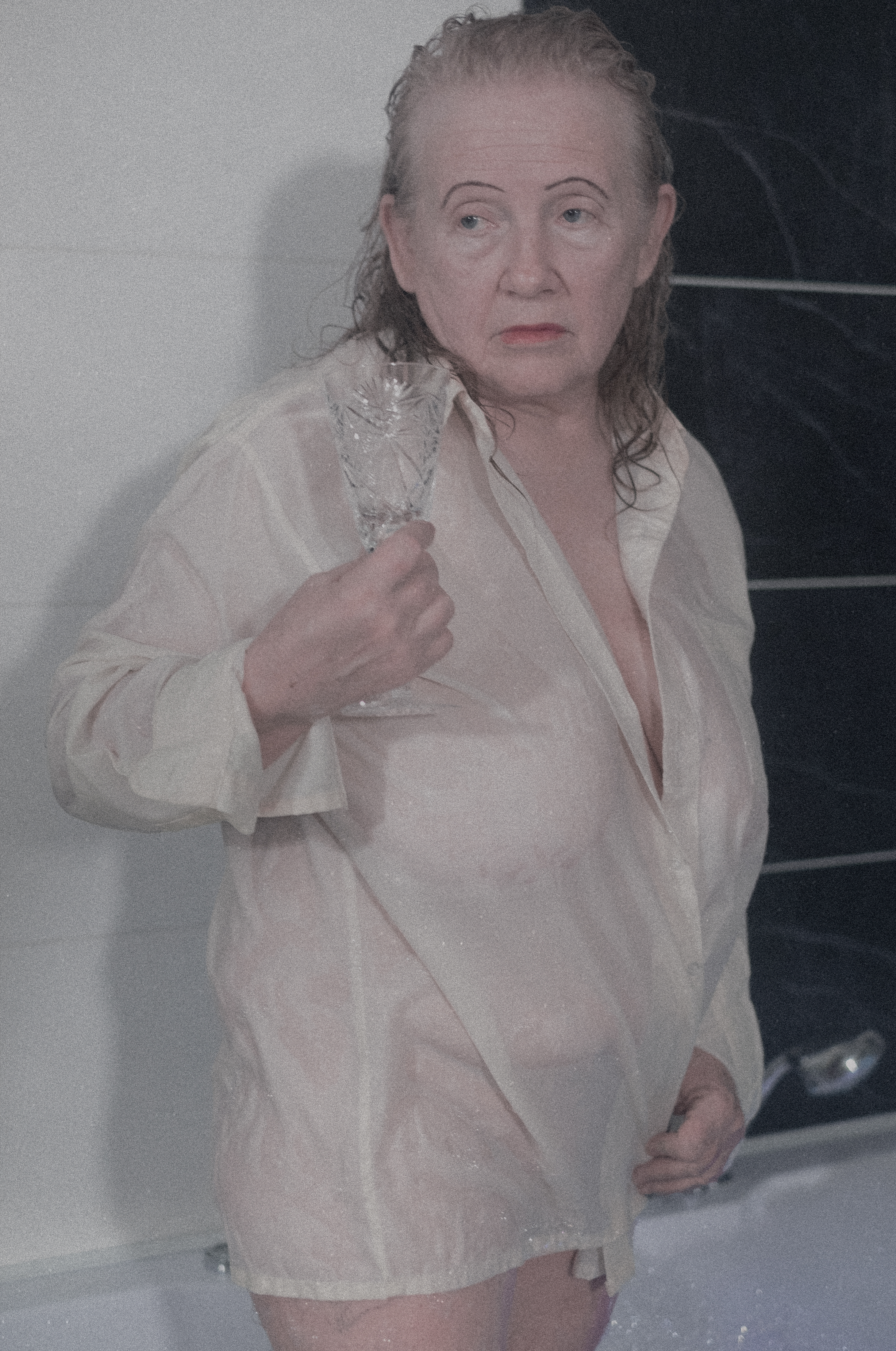
I left Odesa for another country when I was sixteen. The first photographs for Meat, Fish and Aubergine Caviar were taken in 2016, when my father fell ill and was admitted to the ICU. That event made me stay in Odesa for several months, caring for him and entertaining my forlorn, terrified mother by photographing her. I continued the project until 2019, returning to Odesa several times a year until my father had fully recovered and could resume his routines: exercising on the beach, shopping at local open-air markets, and indulging in cooking and eating with my mother.
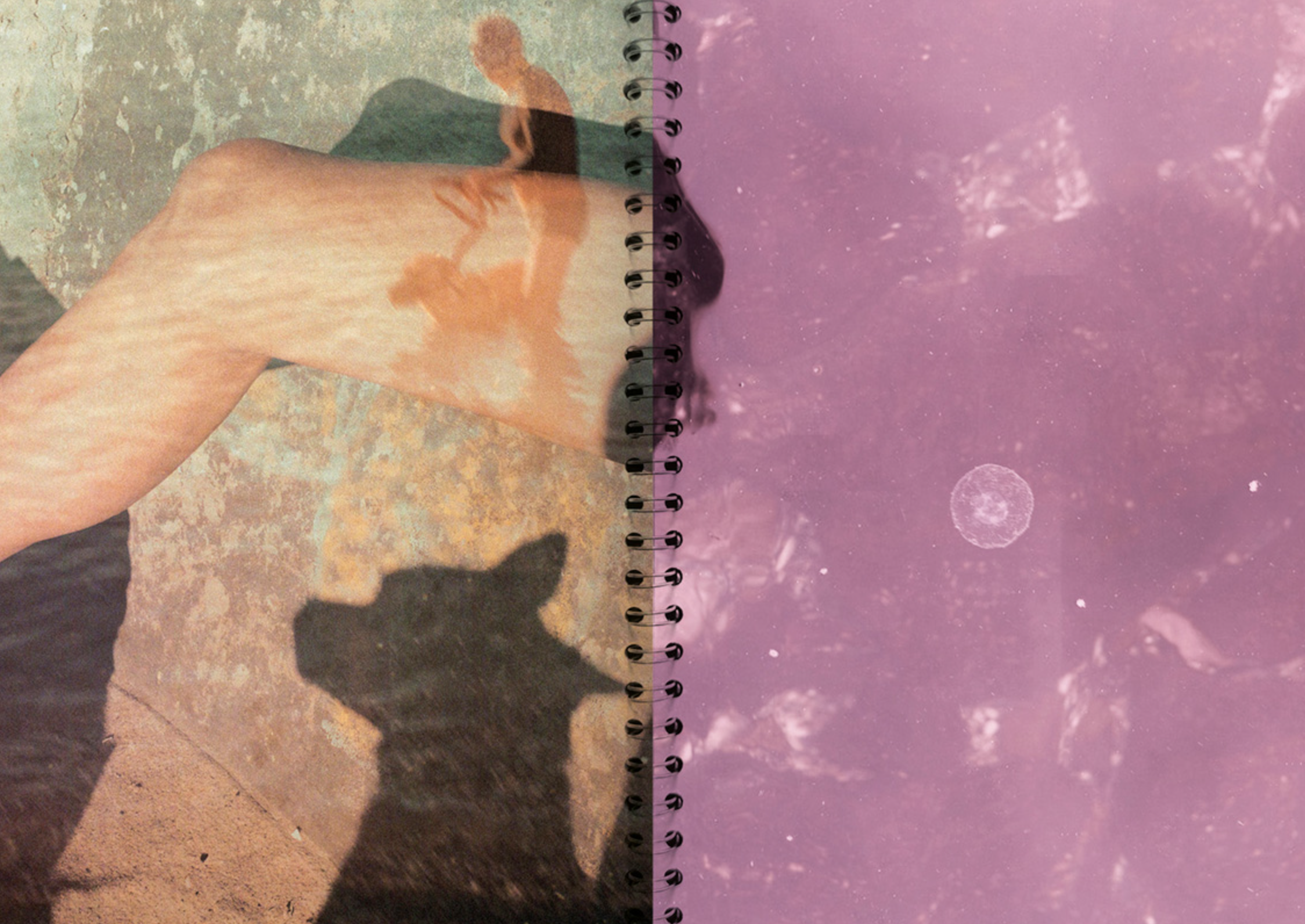
Through this project, photography became a tool for communication and connection with my parents. I created a utopian universe where life is beautiful and I finally have the kind of parents I always wished for. While the series reflects the culture of both the country and the city, at its core it is a self-portrait of someone wrecked by childhood trauma, someone who would rather live in the illusory Odesa of meat, fish, and aubergine caviar.
However, my life in Odesa was far from a bed of roses. Since childhood, I had always wanted to escape. Both of my parents were depressed, emotionally immature, and physically absent. My father, a confused orphan struggling with his sexuality, drowned his sorrows in liquor, while my narcissistic mother was entirely consumed by her own traumas, which made her unable to feel any genuine emotion and left her distant and unreachable.
I left Odesa for another country when I was sixteen. The first photographs for Meat, Fish and Aubergine Caviar were taken in 2016, when my father fell ill and was admitted to the ICU. That event made me stay in Odesa for several months, caring for him and entertaining my forlorn, terrified mother by photographing her. I continued the project until 2019, returning to Odesa several times a year until my father had fully recovered and could resume his routines: exercising on the beach, shopping at local open-air markets, and indulging in cooking and eating with my mother.
Through this project, photography became a tool for communication and connection with my parents. I created a utopian universe where life is beautiful and I finally have the kind of parents I always wished for. While the series reflects the culture of both the country and the city, at its core it is a self-portrait of someone wrecked by childhood trauma, someone who would rather live in the illusory Odesa of meat, fish, and aubergine caviar.